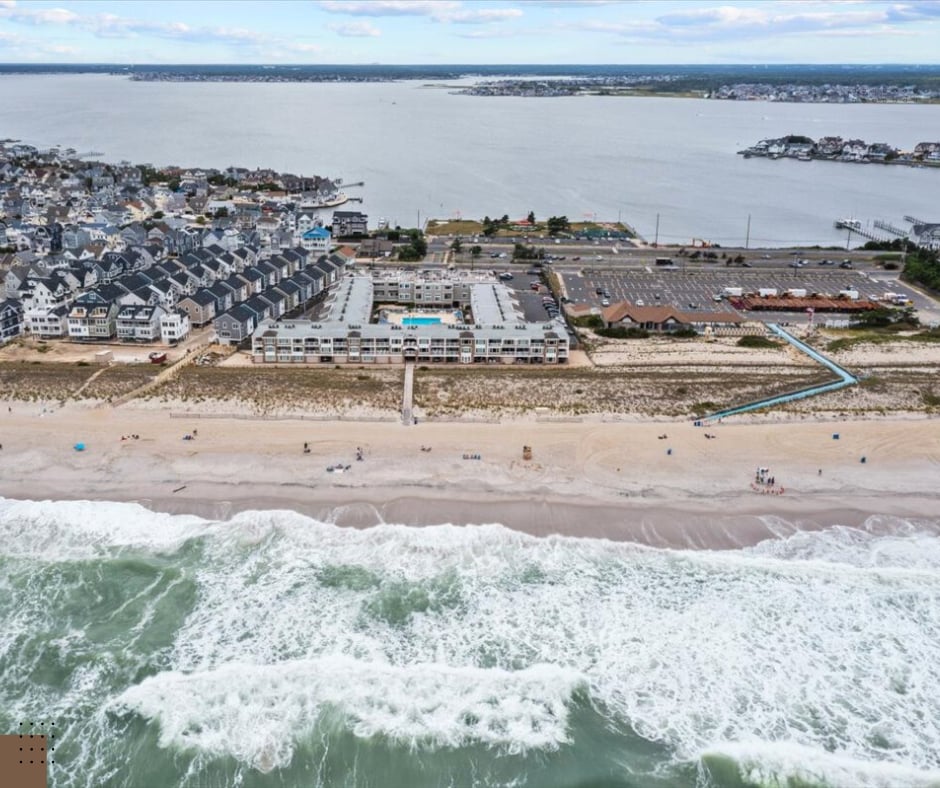
As Jacques Cousteau famously once quoted,"Water is life's matter and matrix, mother and medium. There is no life without water." Each year, millions of home buyers across the US search for their dream property that offers views of the water - oceanfront, lakefront, riverside, and more. Buying a home in a flood zone shouldn't dismay your homeownership dreams, but it does require careful planning and expert guidance. With proper research, adequate insurance, and strategic property selection, you can safely purchase in designated flood areas.
What is a FEMA flood zone?
FEMA flood zones are geographic areas that the Federal Emergency Management Agency has evaluated for flood risk based on historical data, topography, and rainfall patterns.
The most common zones you’ll encounter include:
- Zone A/AE: High-risk areas with a 1% annual chance of flooding
- Zone X: Moderate-to-low risk areas outside the 100-year floodplain
- Zone V/VE: High-risk coastal areas subject to wave action and storm surge
Key steps for NJ Buyers purchasing in a flood zone:
- Verify the flood zone designation using official FEMA maps and cross-reference with local municipal flood studies that might indicate recent changes or proposed updates.
- Obtain flood insurance quotes early from both NFIP and private insurers to understand your costs. Our team is happy to offer insurance company recommendations for quotes!
- Schedule a comprehensive inspection to examine the foundation, drainage systems, and any existing flood mitigation measures like sump pumps or elevated utilities.
- Review the property’s flood history through the Seller's Disclosure and the insurance claims databases to understand actual flooding history.
- Confirm elevation certificates are available and current, as these documents directly impact insurance rates and may be required for loan approval.
- Look into upcoming flood map revisions that might affect future insurance requirements or property values in your target neighborhood.
- Consult with flood zone specialists including insurance agents familiar with NFIP requirements and contractors experienced in flood-resistant construction techniques.
Most conventional mortgage lenders require flood insurance quotes and elevation certificates before approving loans in high-risk zones. Also, bear in mind the appraised value of your home will be impacted by the flood zone determination, but flood-proofing home materials and design measures including sump pumps and French drains will counteract this.
This all said, investment activity remains robust in many flood zones, including the Jersey shore, where rental demand supports carrying costs including flood insurance. Properties with proven rental histories and strong elevation certificates attract both owner-occupants and investors. And let's not forget that waterfront properties offer unique lifestyle amenities like private docks and boat access, beach access, or river frontage that simply aren’t available elsewhere.
If you're contemplating the purchase of a home in a flood zone, it is crucial to determine the risks. That all said, with careful planning and research, you can set yourself up for many years of waterfront bliss, as well as a steady stream of investment income if you so desire.
-Thoughtful Real Estate-